 Save
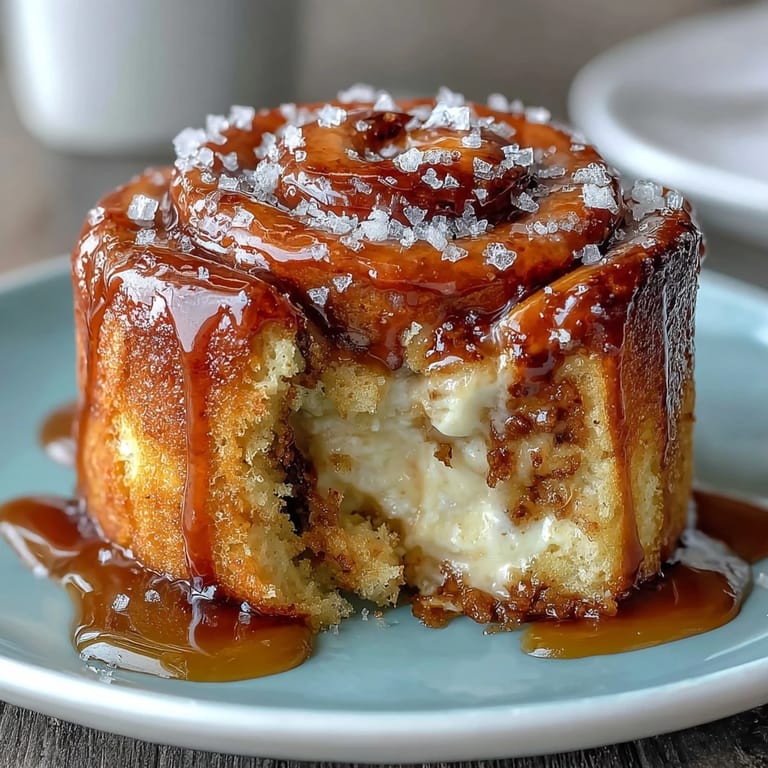
Save My kitchen smelled like a citrus grove last winter when my neighbor brought over a bag of gorgeous navel oranges from her farmer's market haul. She mentioned offhandedly that she'd been zesting them for breakfast rolls, and something about that combination—the bright, almost floral notes of orange with soft, pillowy dough—stuck with me. That afternoon, I decided to develop my own version, one that could be prepped the night before so I wouldn't be kneading dough at dawn like some kind of devoted baker. What emerged was this: tender rolls that taste like they took all morning, but actually demand just a few minutes of hands-on time the night before.
I made these for a small brunch gathering last spring, and what I remember most isn't the rolls themselves but the moment my friend Sarah walked in, took one bite, and then just stood there silently for a second. She asked if I'd added orange extract, and when I told her it was just fresh zest, she looked genuinely surprised—like she'd expected something artificial but found something real instead. That's when I knew this recipe had crossed over from interesting idea to something people actually crave.
Ingredients
- All-purpose flour (3 1/2 cups): This is your structure; I've learned that measuring by weight rather than volume gives you rolls that rise predictably instead of sometimes turning dense.
- Instant dry yeast (2 1/4 tsp): Make sure it's not expired—old yeast sulks and barely wakes up, even with warm milk coaxing it along.
- Whole milk, lukewarm (3/4 cup): This temperature matters; too hot kills the yeast, too cold and it won't activate properly, so aim for that gentle warmth.
- Unsalted butter (1/4 cup melted, plus 1/4 cup softened): The melted butter goes in the dough for richness, while the softened butter creates that delicious filling layer.
- Large eggs, room temperature (2): Room temperature ingredients blend together more seamlessly, creating a smoother dough texture.
- Orange zest (zest of 3 oranges total): Use a microplane or the smallest holes on your box grater to get fine, fragrant zest without the bitter white pith.
- Granulated sugar (1/2 cup for filling, 1/4 cup for dough): Sugar feeds the yeast and sweetens the rolls, while extra sugar in the filling caramelizes slightly as they bake.
- Salt (1/2 tsp): A quiet but essential ingredient that actually amplifies the orange flavor rather than making things salty.
- Powdered sugar (1 cup for glaze): This dissolves smoothly into a pourable glaze that catches the light and tastes bright with fresh orange juice.
Tired of Takeout? 🥡
Get 10 meals you can make faster than delivery arrives. Seriously.
One email. No spam. Unsubscribe anytime.
Instructions
- Mix your dry ingredients:
- In a large bowl, whisk together flour, sugar, yeast, and salt until everything is evenly distributed. This ensures the yeast doesn't clump up when you add the wet ingredients.
- Combine the wet mixture:
- In another bowl, whisk together lukewarm milk, melted butter, eggs, and orange zest until it looks like slightly thickened custard. You'll notice the zest will float—that's perfect.
- Bring it together:
- Pour the wet ingredients into the dry ones and stir with a wooden spoon until you have a shaggy, sticky dough. Don't worry if it looks rough; kneading is coming next.
- Knead until silky:
- By hand or with a stand mixer using the dough hook, knead for 7 to 8 minutes until the dough transforms from sticky to smooth and elastic. It should still be slightly tacky but shouldn't stick to your fingers as you work.
- First rise:
- Place the dough in a greased bowl, cover it with plastic wrap, and let it sit in a warm spot for 1 to 2 hours until it's roughly doubled in size. A turned-off oven or a sunny windowsill both work beautifully.
- Roll and fill:
- On a lightly floured surface, roll the dough into a 10 by 16-inch rectangle. Spread softened butter over the entire surface, then sprinkle with sugar and orange zest as evenly as you can manage.
- Shape your rolls:
- Starting from the longer edge, roll the dough tightly toward you like you're making a log, then use a sharp knife or even dental floss to cut it into 12 equal pieces. Dental floss works surprisingly well because it cuts through without squishing the dough.
- The overnight rest:
- Arrange your rolls in a greased 9 by 13-inch baking dish, cover tightly with plastic wrap, and slide them into the refrigerator overnight. The cold slows fermentation while the flavors deepen and meld.
- Wake and warm:
- In the morning, remove the rolls from the fridge and let them sit at room temperature for 45 to 60 minutes. You'll watch them slowly puff up, and by the time they've warmed through, they'll look noticeably fuller.
- Bake to golden:
- Preheat your oven to 350°F, then bake the rolls for 22 to 25 minutes until they're burnished golden brown on top. The aroma at this point is almost too much to handle.
- Make the glaze:
- While the rolls bake, whisk together powdered sugar, fresh orange juice (start with 2 tablespoons and add more if needed), and orange zest until smooth and pourable. You want it thick enough to cling to the rolls but thin enough to drizzle easily.
- The final touch:
- Pull the rolls from the oven and let them cool for just a minute or two, then drizzle the glaze over the warm rolls so it soaks in slightly. Serve them while they're still warm, ideally with strong coffee nearby.
 Save
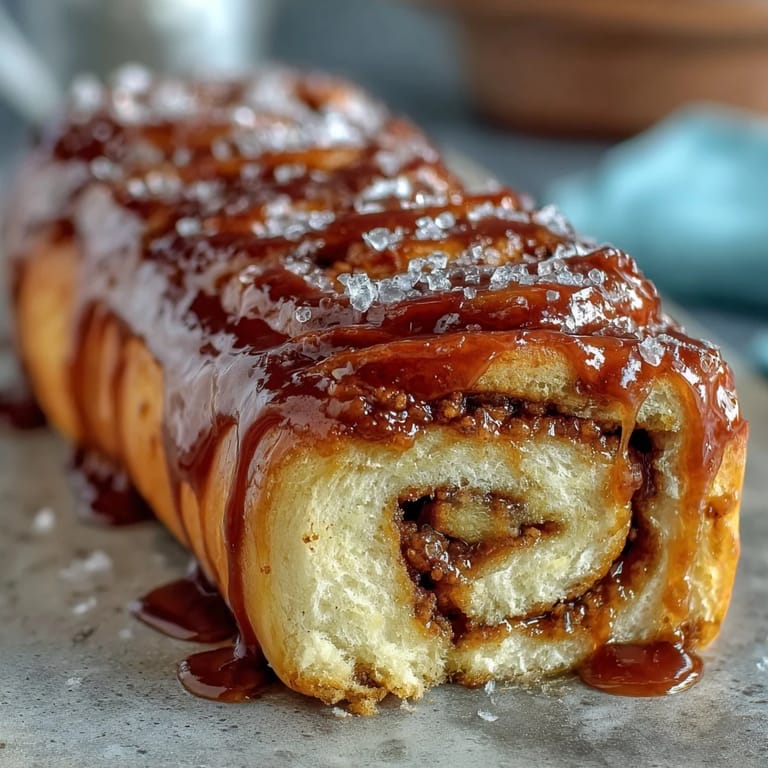
Save There's something quietly magical about waking up to the smell of orange and butter baking, knowing that you did the actual work last night when you had time to think about it. These rolls have this way of turning an ordinary Tuesday morning into something that feels a bit more intentional, a bit more like breakfast is an event worth showing up for.
Why Fresh Orange Zest Changes Everything
I learned the hard way that bottled orange extract is not a substitute here, no matter what the label promises. Extract tastes metallic and one-dimensional compared to fresh zest, which has these subtle floral notes that somehow make the dough taste less sweet and more sophisticated. The first time I used a microplane instead of a box grater, I noticed the difference immediately—the zest was finer, more integrated into the dough, and it released its oils more effectively as the rolls baked.
The Overnight Method Is Actually Genius
Most people think the overnight rest is just a convenience, but it actually improves the rolls in ways that have nothing to do with your schedule. The cold fermentation develops flavor complexity—the dough tastes more interesting, more rounded. Plus, because the dough is cold when you bake it, it rises more gradually in the oven, which means you get a more tender crumb instead of something that bakes too quickly on the outside while staying gummy inside.
Variations Worth Trying
Once you understand the basic formula, you can play around without losing what makes these rolls special. I've swapped half the milk for fresh orange juice and gotten rolls with even brighter flavor, though you need to reduce the added sugar slightly since juice brings sweetness. A pinch of cardamom in the filling adds an unexpected spice note that somehow makes the orange taste even more orange—it's like the cardamom is a flavor amplifier. If you're feeling fancy and have time, brush the warm baked rolls with a little melted butter infused with a vanilla bean before glazing them.
- Try adding a pinch of cardamom to the filling for subtle warmth and depth.
- Substitute half the milk with fresh squeezed orange juice for extra citrus intensity.
- Brush warm rolls with vanilla-infused butter before glazing for an elegant twist.
 Save
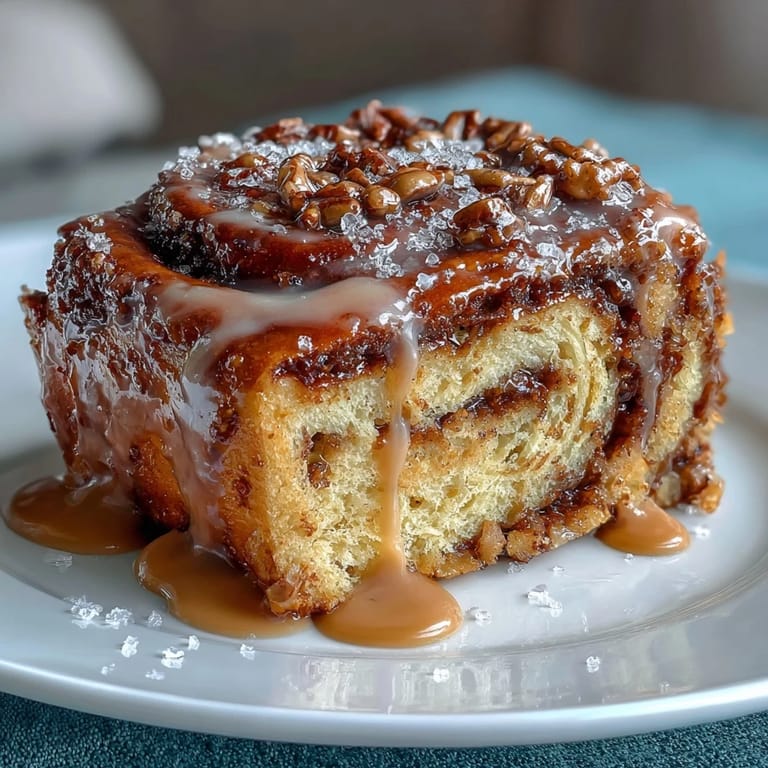
Save Make these rolls when you want to remind yourself that you can create something restaurant-quality at home with a little planning and fresh ingredients. They're proof that the best breakfasts are the ones you prepare thoughtfully the night before.
Recipe FAQs
- → How does overnight rising affect the dough?
Allowing the dough to rise overnight in the refrigerator slows fermentation, resulting in a richer flavor and improved texture, making the rolls fluffier and more tender.
- → Can I substitute milk with orange juice in the dough?
Yes, replacing half of the milk with fresh orange juice adds extra citrus aroma and moisture, enhancing the overall zestiness of the rolls.
- → What is the best way to cut the rolls evenly?
Using a sharp knife or dental floss ensures clean, even cuts without squashing the dough, helping the rolls maintain their shape during baking.
- → How do I achieve the perfect glaze consistency?
Whisk powdered sugar with fresh orange juice and zest until smooth but thick enough to coat the back of a spoon; adjust juice for desired thickness before drizzling.
- → Can I add spices to the filling for variation?
Adding a pinch of cardamom or cinnamon complements the orange zest nicely, giving a subtle, warm spice note without overpowering the flavors.