 Save
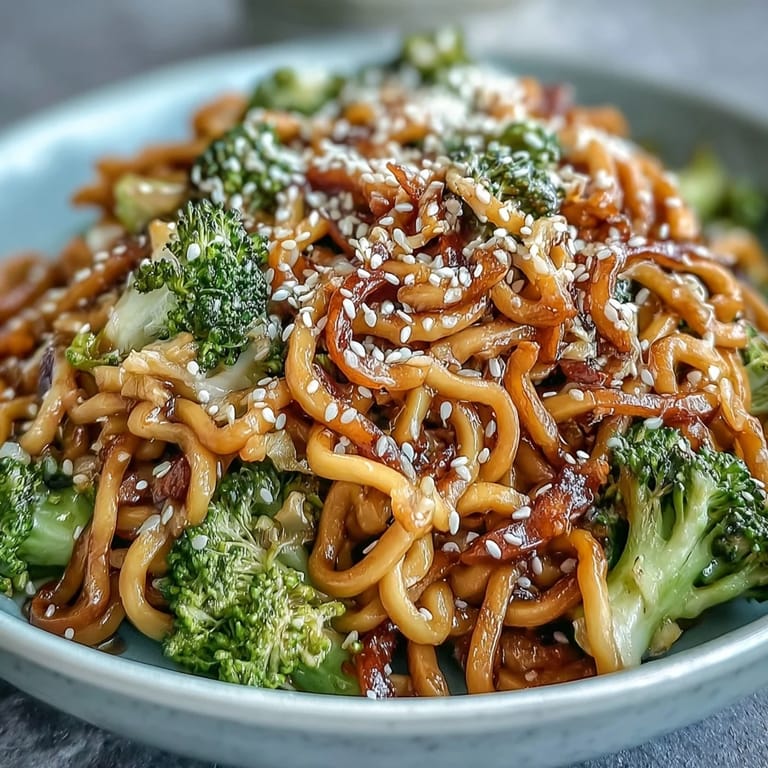
Save There's something magnetic about the smell of teriyaki sauce bubbling on the stove—it pulls you toward the kitchen without you even realizing it. I discovered this noodle bowl on a Tuesday night when I was determined to prove that weeknight cooking didn't have to feel rushed or uninspired. The kitchen filled with steam and that distinctive sweet-savory aroma, and by the time I tossed everything together, my roommate had already wandered in asking what I was making. It became one of those dishes that somehow tastes more impressive than the 30 minutes it takes to prepare.
I made this for a dinner party once when someone mentioned being vegetarian, and I realized halfway through cooking that I had zero fancy vegetable sides prepared. Instead of panicking, I tripled the broccoli and carrots in this bowl, added some crispy tofu on the side, and honestly—it became the star of the meal. My friend came back for seconds and asked for the recipe the next day, which is always the highest compliment you can get.
Ingredients
- Egg noodles (300 g): These have a tender bite that absorbs the sauce beautifully, but rinsing them after cooking keeps them from clumping together.
- Broccoli florets (2 cups): The key is catching them at that exact moment between tender and crisp—overcooked broccoli disappears into sadness, so watch them carefully.
- Carrots (2 medium, julienned): Cutting them thin means they cook through evenly and add a subtle sweetness that balances the umami.
- Green onions (2, sliced): Use both the white and green parts, but save some green tops for garnish because they add a fresh pop at the end.
- Soy sauce (1/4 cup): This is your umami foundation, but it's salty, so taste as you go and adjust the other seasonings accordingly.
- Mirin (2 tbsp): If you can't find it, dry sherry works, but mirin's subtle sweetness is irreplaceable—it's worth keeping a bottle on hand.
- Honey or maple syrup (2 tbsp): This rounds out the sauce with gentle sweetness that doesn't overpower the savory elements.
- Rice vinegar (1 tbsp): The acid cuts through the richness and keeps the sauce from becoming cloying.
- Brown sugar (1 tbsp): Adds a deeper molasses note that regular sugar can't quite achieve.
- Sesame oil (2 tsp): A little goes a long way—this stuff is potent and nutty, so resist the urge to pour generously or it'll dominate everything.
- Garlic and ginger (2 cloves minced, 1 tsp grated): Fresh is absolutely worth it here; jarred versions taste flat by comparison.
- Cornstarch slurry (1 tbsp cornstarch mixed with 2 tbsp water): This thickens the sauce to that glossy, clinging consistency that makes the dish feel complete.
- Toasted sesame seeds (2 tbsp): Toast them yourself if you can—the difference between raw and toasted is like comparing whispers to music.
Tired of Takeout? 🥡
Get 10 meals you can make faster than delivery arrives. Seriously.
One email. No spam. Unsubscribe anytime.
Instructions
- Prepare the noodles:
- Boil water, cook the noodles until they're tender but still have a slight bite, then drain and rinse with cold water immediately so they don't continue cooking in their own heat. This step takes about 8 minutes and gives you time to prep everything else.
- Cook the vegetables:
- Steam or blanch the broccoli and carrots for just 2-3 minutes—you want them to soften slightly but keep that satisfying crunch that makes each bite interesting. Drain them well or they'll water down your finished sauce.
- Build the sauce:
- Combine all the sauce ingredients in a small saucepan and bring to a gentle simmer, letting the flavors meld for about a minute. You'll notice the kitchen smelling absolutely incredible at this point.
- Thicken and finish:
- Stir in the cornstarch slurry slowly, stirring constantly so it thickens evenly without lumping up. The sauce should go from thin to glossy in about 90 seconds, and you'll know it's perfect when it coats the back of a spoon.
- Bring it all together:
- In a large wok or skillet, toss the warm noodles with the vegetables and sauce, making sure every strand gets coated. This is the satisfying part where everything transforms into something cohesive and delicious.
- Serve with flair:
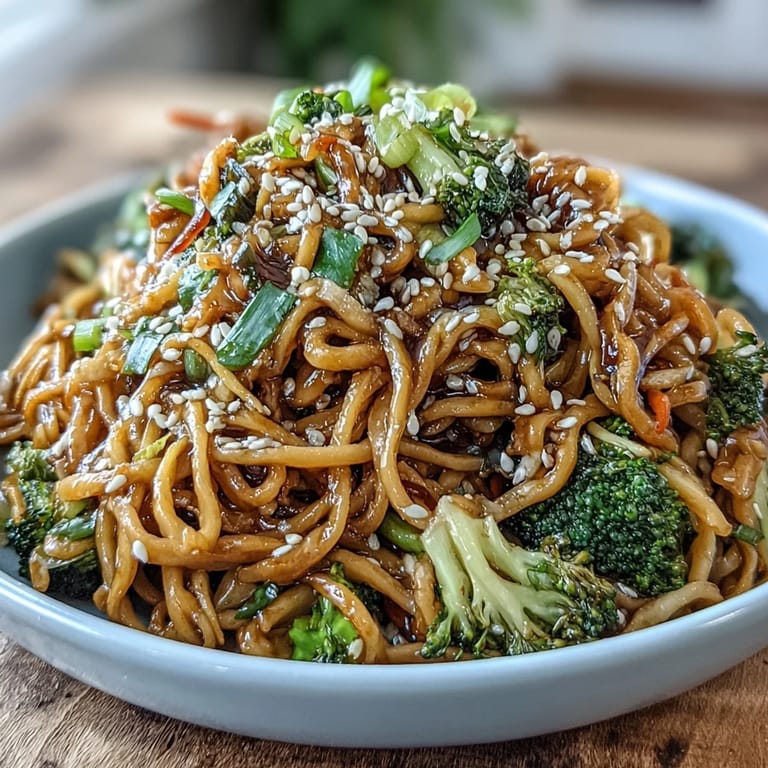
- Divide among bowls and top with toasted sesame seeds and fresh green onion slices while everything is still warm. The heat will help the garnishes release their aromatics.
 Save
Save This bowl became my go-to dish when I needed something that felt special but didn't require hours in the kitchen or a stress-spiral about timing. There's a quiet confidence in knowing you can create something genuinely delicious in the time it takes most people to decide what to order for delivery.
Why This Bowl Works
The magic happens in the balance between the sweet, salty, tangy, and nutty elements—each component plays a role in making the whole thing sing. The noodles are the canvas, but the vegetables add texture and the sauce is what ties everything into something memorable. When you nail that ratio, suddenly a simple weeknight meal becomes something you actually crave.
Making It Your Own
I've made this recipe with shiitake mushrooms, bell peppers, snap peas, and even roasted cashews depending on what I had around. The framework stays the same, but the vegetables can shift with the seasons or whatever calls to you from the farmers' market. Some nights I add a soft-boiled egg or crispy tofu, other times I keep it purely vegetable-forward—it adapts beautifully to whatever direction you want to take it.
Storage and Make-Ahead Tips
You can prepare the sauce up to two days in advance and simply reheat it gently when you're ready to cook, which transforms this from a last-minute meal into something you can plan around. The noodles and vegetables are best cooked fresh, but both will keep separately in the refrigerator for a day if you need to break up the cooking process. When reheating leftovers, add a splash of water or broth to loosen the sauce and restore that silky texture.
- Make the teriyaki sauce on Sunday and you've got a head start on busy weeknight cooking.
- Keep mirin and sesame oil stocked in your pantry—they become secret weapons for all kinds of Asian-inspired meals.
- Double the sauce recipe if you're feeding more people or want extra for drizzling over rice or steamed vegetables later in the week.
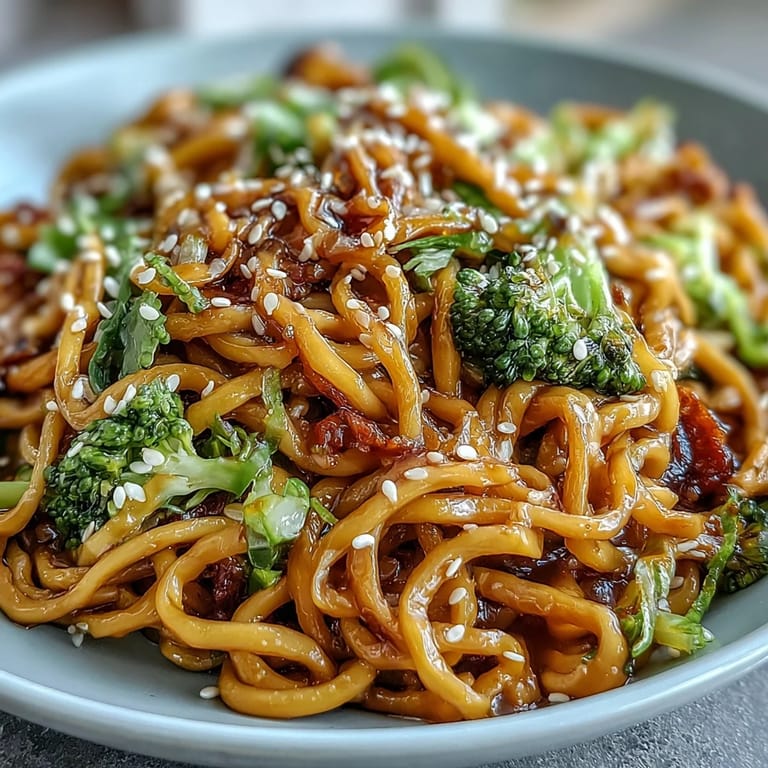 Save
Save This bowl sits comfortably in that sweet spot where it's impressive enough to serve to people you're trying to impress, but simple enough that you don't mind making it on a random Tuesday just for yourself. That's the recipe I keep coming back to.
Recipe FAQs
- → Can I make this dish vegan?
Yes, simply substitute wheat or rice noodles for the egg noodles and use maple syrup instead of honey. The rest of the ingredients are naturally plant-based.
- → How long does homemade teriyaki sauce keep?
Store the sauce in an airtight container in the refrigerator for up to two weeks. The cornstarch may cause slight thickening when cold—simply reheat and whisk to restore consistency.
- → Can I add protein to this noodle bowl?
Absolutely. Tofu, tempeh, edamame, or grilled chicken work wonderfully. For tofu, press and pan-fry before adding. For chicken, cook separately then toss with the noodles and sauce.
- → What other vegetables can I use?
Snap peas, bell peppers, shiitake mushrooms, bok choy, or bean sprouts are all excellent additions. Use whatever crisp vegetables you have on hand for color and texture.
- → Is this dish spicy?
The traditional teriyaki flavor profile is not spicy, but you can easily add heat. Sliced fresh chili, chili oil, or red pepper flakes can be stirred into the sauce or used as garnish.
- → Can I prepare the components ahead?
Cook noodles and blanch vegetables up to two days in advance. Store separately in the refrigerator. Make the sauce ahead as well. Reheat everything together when ready to serve.