 Save
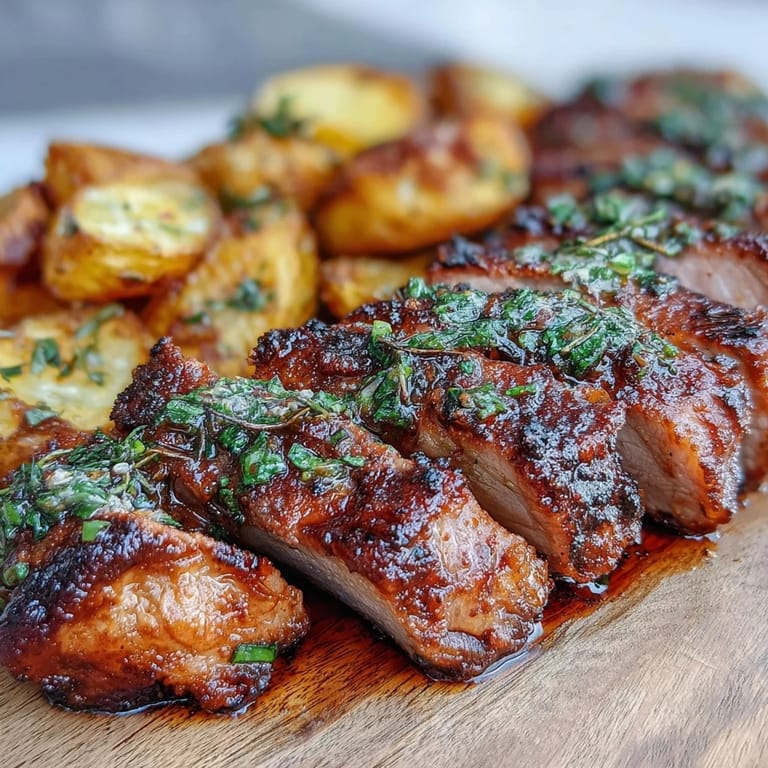
Save The scent of rosemary and smoked paprika hit me the moment I opened the fridge that morning, and I knew the wait had been worth it. I'd marinated the pork the night before, half-doubting whether Ibérico was really all that different, but watching those juices pool around the meat told me everything. There's something about preparing a meal a day ahead that changes how you feel in the kitchen—calmer, more intentional. By the time the oven was hot and the potatoes were sizzling, I wasn't cooking dinner, I was orchestrating something I actually wanted to eat. That fillet, bronzed and resting on the board, smelled like a small victory.
I made this the first time for friends who claimed they didn't care much for pork, and I watched them go quiet after the first bite. One of them asked if I'd used butter, convinced something that tender had to involve cream or fat beyond olive oil. The truth is, good pork doesn't need much help, just time and respect. We finished two bottles of Rioja that night, and the pan juices disappeared onto crusty bread before I could even think about saving them. It became the kind of meal people bring up months later, asking when I'll make it again.
Ingredients
- Ibérico pork fillet: This isn't just marketing, the marbling and flavor are genuinely different, almost buttery, and it stays juicy even if you slightly overcook it.
- Extra virgin olive oil: Use something you'd happily dip bread into, it carries all the marinade flavors and becomes part of the finish.
- Garlic: Mince it fine so it melts into the marinade rather than burning in the pan, fresh makes all the difference here.
- Fresh rosemary: Chop it until it's almost powdery, woody stems will ruin the texture and overpower the pork.
- Smoked paprika: This is what makes it taste Spanish, not spicy, just warm and faintly smoky, like a campfire memory.
- Lemon zest and juice: Brightens the richness and tenderizes the meat without making it taste citrusy, just alive.
- Sea salt and black pepper: Season generously, the overnight rest lets it penetrate deep into the meat.
- New potatoes: Their thin skins crisp beautifully and the flesh stays creamy, no peeling required.
- Fresh thyme: It clings to the potatoes as they roast and fills the kitchen with that earthy, honey-like scent.
- Red bell peppers: Roasting them until they slump and char slightly brings out a natural sweetness that balances the savory pork.
Tired of Takeout? 🥡
Get 10 meals you can make faster than delivery arrives. Seriously.
One email. No spam. Unsubscribe anytime.
Instructions
- Marinate the Pork:
- Whisk together olive oil, garlic, rosemary, smoked paprika, lemon zest, lemon juice, salt, and pepper until it smells like summer in Spain. Massage it all over the pork fillet, cover tightly, and let it sleep in the fridge overnight so every fiber soaks up that flavor.
- Prepare the Oven:
- Crank the oven to 220°C and let it get properly hot, this isn't the time for a lukewarm preheat. You want those potatoes to hit serious heat right away.
- Roast the Potatoes:
- Toss the quartered potatoes with olive oil, salt, pepper, smoked paprika, and thyme until every piece glistens. Spread them out on a baking tray with space between each one, then roast for 35 to 40 minutes, stirring halfway, until they're golden and crackling at the edges.
- Roast the Red Peppers:
- Toss the pepper strips with olive oil, sliced garlic, and a pinch of salt, then spread them on a separate tray. Roast for 20 to 25 minutes until they're tender, sweet, and starting to caramelize at the tips.
- Cook the Pork:
- Pat the pork dry, heat a tablespoon of olive oil in an ovenproof skillet until it shimmers, then sear the fillet on all sides until deep golden brown. Slide the whole skillet into the oven and roast for 12 to 15 minutes until the internal temperature hits 63°C, then let it rest for 5 minutes before slicing so the juices settle back in.
- Serve:
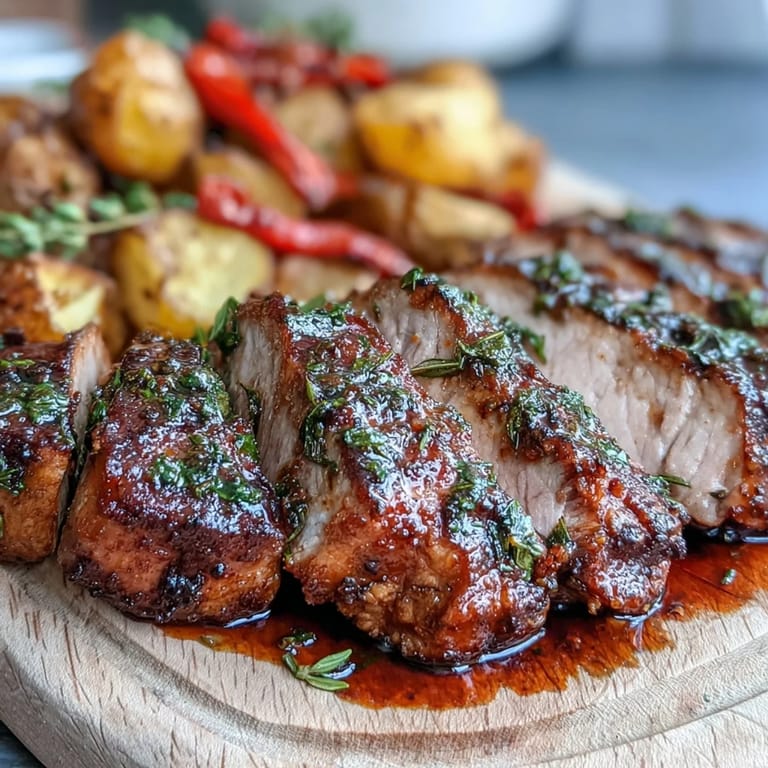
- Slice the pork into thick medallions and arrange them on warm plates with the crispy potatoes and sweet peppers. Drizzle any pan juices over the top and watch everyone lean in a little closer.
 Save
Save There was a Sunday afternoon when I made this just for myself, no occasion, no guests, just because I wanted to feel like I was eating somewhere else. I set the table properly, poured a glass of wine, and ate slowly with the window open. The pork was perfect, the potatoes were crispy, and I realized that cooking something this good doesn't require an audience. Sometimes the best meals are the ones you make because you deserve them, not because anyone's watching.
Choosing Your Pork
Ibérico pork comes from acorn-fed pigs in Spain, and the difference is real, not just romantic storytelling. The fat is softer, almost creamy, and the flavor has a faint nuttiness that regular pork just doesn't carry. If you can't find it or it's out of budget, a good quality pork tenderloin will still make a beautiful meal, just watch the cooking time since it can dry out faster. I've made this both ways, and while Ibérico feels like a celebration, tenderloin with this marinade still turns heads. Either way, buy the best you can afford and treat it gently.
Getting the Potatoes Right
The secret to truly crispy roast potatoes is space and heat, crowding them makes them steam and go soggy. I learned this after one too many trays of pale, sad potatoes that tasted fine but looked like they'd given up. Now I use two trays if I have to, and I make sure the oven is screaming hot before they go in. Tossing them halfway through isn't optional, it's the difference between one crispy side and four. When they come out crackling and golden, with thyme stuck to the edges, you'll understand why this step matters so much.
Serving and Pairing
This dish doesn't need much beyond what's already on the plate, but a handful of fresh parsley or a squeeze of lemon at the end adds a brightness that wakes everything up. I like to serve it with a simple green salad dressed in sherry vinegar, something sharp to cut through the richness. A Spanish Rioja or Tempranillo is the obvious choice, but I've also poured a chilled rosé in summer and it worked beautifully. If you're feeling extra, serve it with crusty bread to mop up the pan juices.
- Slice the pork just before serving so it stays warm and juicy.
- Arrange everything on a large platter for a family-style presentation that feels generous and relaxed.
- Leftover pork makes an incredible sandwich the next day with aioli and arugula.
 Save
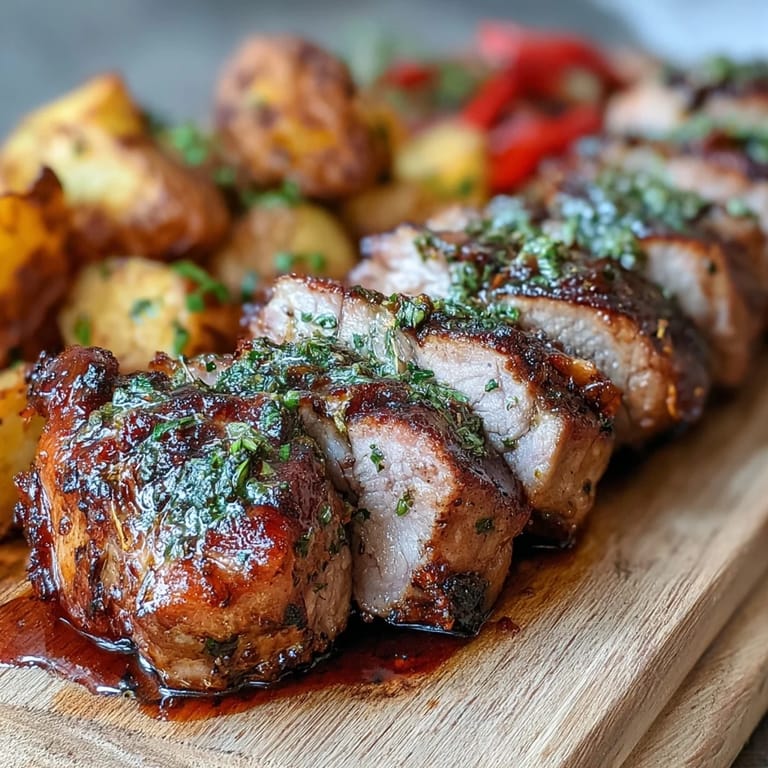
Save This is the kind of meal that makes you feel capable, like you've honored the ingredients and the time you spent in the kitchen. I hope it becomes one of those recipes you return to when you want to cook something that matters, not just to fill a plate, but to fill a table with something worth remembering.
Recipe FAQs
- → Can I use regular pork tenderloin instead of Ibérico?
Yes, regular pork tenderloin works well as a substitute. Adjust cooking time slightly as it may cook faster than Ibérico pork, and check for an internal temperature of 63°C (145°F).
- → How long should I marinate the pork?
Marinate the pork fillet overnight or for a minimum of 8 hours to allow the flavors of garlic, rosemary, and smoked paprika to penetrate the meat thoroughly.
- → What temperature should the pork reach?
Cook the pork fillet until it reaches an internal temperature of 63°C (145°F), then let it rest for 5 minutes before slicing to ensure juicy, tender results.
- → Can I prepare the vegetables ahead of time?
You can prep the potatoes and peppers earlier in the day. Keep them covered in the refrigerator, then toss with oil and seasonings just before roasting for best results.
- → What wine pairs well with this dish?
This Spanish-inspired dish pairs beautifully with a Spanish red wine such as Rioja or Ribera del Duero, which complement the smoked paprika and rich pork flavors.
- → How do I know when the potatoes are done?
The potatoes are ready when they're golden and crisp on the outside, typically after 35–40 minutes at 220°C. Stir them halfway through for even browning.