 Save
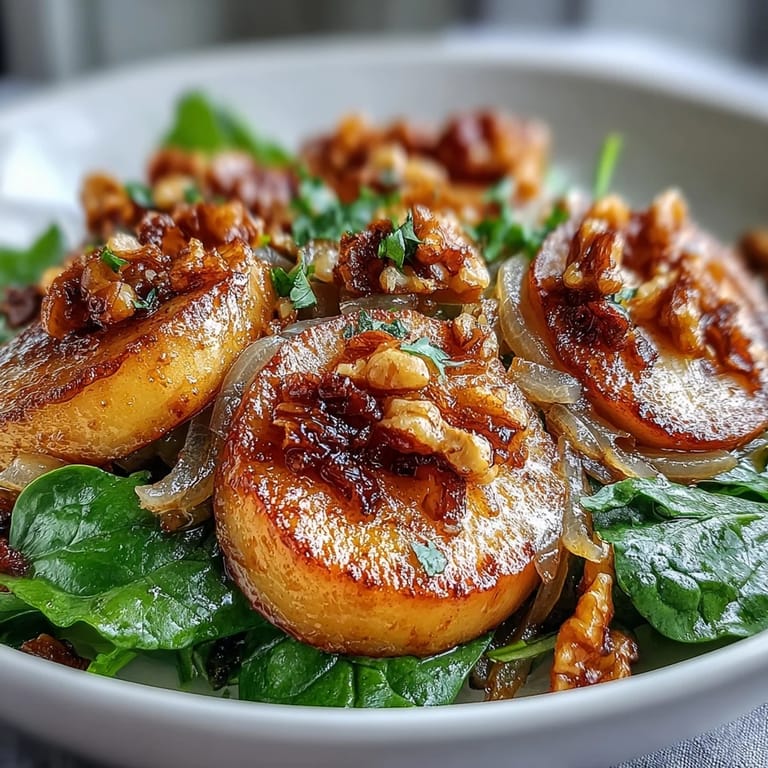
Save My neighbor brought over a jar of homemade sauerkraut last fall, apologizing for the abundance from her garden fermentation project. I stood in my kitchen staring at it, unsure what to do beyond the classic pork pairing, when I noticed two apples softening on the counter. That afternoon felt like an experiment, but the moment those caramelized apples hit the warm, funky sauerkraut, something clicked—tangy met sweet, crisp met tender. What started as improvisation became the dish I now crave when I want something that feels both nourishing and a little bit unexpected.
I made this for a potluck last winter when everyone was bringing heavy casseroles, and I watched people approach the platter cautiously before going back for thirds. One friend asked how long it took, visibly shocked when I said twenty-five minutes—she assumed something that tasted that bright and alive must have required hours of prep. That's when I realized this salad punches above its weight, both nutritionally and in the satisfaction department.
Ingredients
- Large apples (Honeycrisp or Gala): The sweetness needs enough body to stand up to the funk of sauerkraut, so skip mealy varieties—you want that firm snap that softens but doesn't disappear into the pan.
- Red onion: Sliced thin, it mellows as it caramelizes and adds an underlying sharpness that keeps everything from tasting one-note.
- Sauerkraut: The drained liquid is key here; too much moisture makes the skillet steamy rather than sizzly, so really squeeze it dry with your hands.
- Baby spinach or arugula: These wilt from residual heat, so add them last—you want that tender-but-still-textured green against the warm apples.
- Olive oil or unsalted butter: Both work, though butter browns the apples with a deeper caramel, while oil keeps things lighter and brighter.
- Caraway seeds: Optional, yes, but they're the whisper that says this is intentional—grind them fresh if you have them.
- Honey or maple syrup: Just a teaspoon balances the fermented tartness and helps everything glisten in the pan.
- Walnuts or pecans: Toast them yourself if possible; store-bought toasted nuts are fine, but fresh-toasted brings a warm nuttiness that ties the whole thing together.
Tired of Takeout? 🥡
Get 10 meals you can make faster than delivery arrives. Seriously.
One email. No spam. Unsubscribe anytime.
Instructions
- Warm your pan and add fat:
- Set a large skillet over medium heat and pour in olive oil or butter, letting it shimmer and smell fragrant before you add anything else. This small pause matters—it's the difference between sautéing and stewing.
- Sauté the apples and onions:
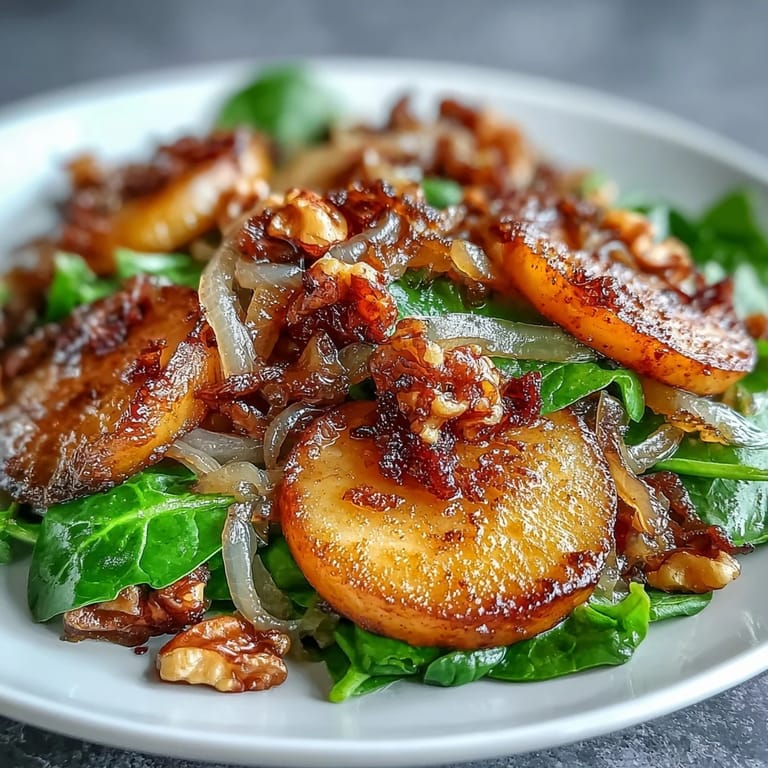
- Slice your apples into pieces thick enough to hold their shape but thin enough to caramelize evenly, then scatter them in with the red onion. Stir occasionally for 6 to 8 minutes, listening for that gentle sizzle and watching the edges turn golden—resist the urge to rush this step.
- Add sweetness and spice:
- Drizzle in your honey or syrup, sprinkle the caraway seeds if using them, salt, and pepper, then stir everything to coat in that glossy mixture. Cook for just one more minute so the spices bloom.
- Bring in the sauerkraut gently:
- Lower the heat to low and fold in your drained sauerkraut, stirring just enough to warm it through without drying it out, about 2 to 3 minutes. The goal here is warm and cohesive, not caramelized.
- Wilt the greens and finish:
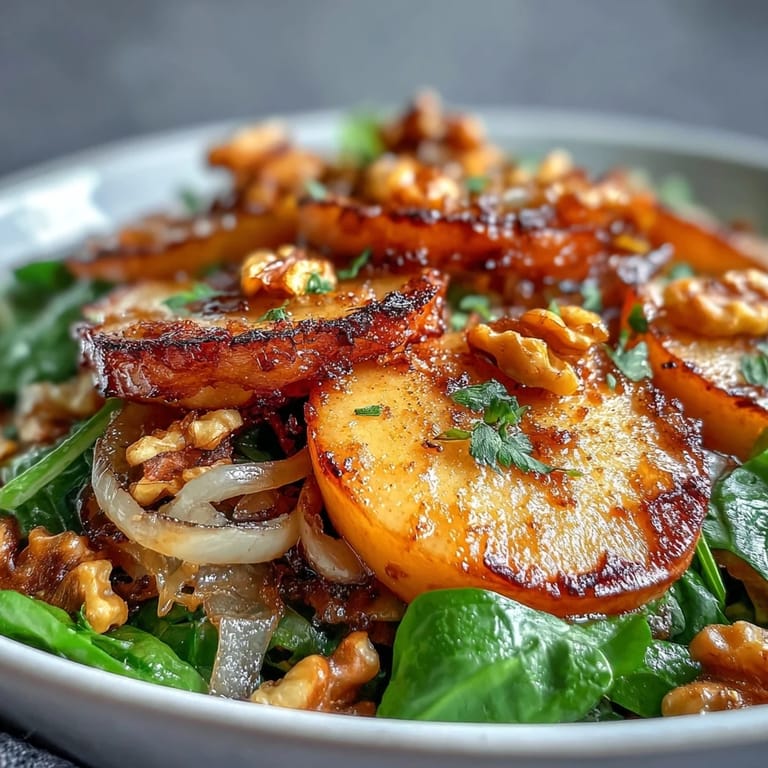
- Remove from heat and toss in your spinach or arugula, letting the residual warmth soften them while preserving their slight resistance. Transfer to a platter, scatter with toasted nuts and fresh parsley, and taste for salt before serving.
 Save
Save There's something grounding about eating warm, fermented food in the middle of winter—it feels old-fashioned and nourishing at the same time. I started serving this alongside roasted pork, then realized it works just as well as a light lunch on its own, or as a side that makes everything around it taste better.
When Tangy Meets Sweet
The interplay between sauerkraut and caramelized apple is what makes this sing. The fermented funk could easily overwhelm, but the natural sugars in the apples caramelize just enough to create a balance that feels almost bridge-like—neither ingredient dominates, instead they lean into each other. This is also why cooking the apples properly matters; you're not just softening them, you're coaxing out their inherent sweetness.
Timing and Temperature Matter
Medium heat for the initial sauté is crucial because high heat will burn the apples before they soften, and low heat means they'll steam instead of caramelize. The sauerkraut comes in last and stays on low, warming through without concentrating into something dry and unpleasant. Texture preservation is everything here—you want the apples yielding, the sauerkraut warm but still snappy, and the greens just barely wilted.
Variations and Flexibility
This recipe is forgiving enough to adapt without losing its character. A splash of apple cider vinegar at the end adds brightness if you find it too rich, and fennel thinly sliced works beautifully in place of or alongside the apples. The greens can swap for kale, or disappear entirely if you prefer a more traditional Eastern European vibe, and olive oil keeps it vegan if that matters for your table.
- Try fennel for a subtle anise undertone that echoes the caraway.
- A small drizzle of apple cider vinegar at the finish sharpens everything if needed.
- This keeps well at room temperature, making it perfect for meal prep or potlucks.
 Save
Save This salad taught me that fermented food doesn't have to be an acquired taste or a chore—it can be genuinely crave-worthy, especially when you let it play with sweet and warm flavors. Serve it hot, warm, or at room temperature, and watch it disappear either way.
Recipe FAQs
- → What type of apples work best for this salad?
Honeycrisp or Gala apples are ideal because they hold their shape when sautéed and offer a nice balance of sweetness and tartness. Fuji or Braeburn apples also work well.
- → Can I make this dish ahead of time?
While best served fresh and warm, you can prepare the sautéed apple and sauerkraut mixture up to 2 days ahead. Store refrigerated and reheat gently, adding fresh greens just before serving.
- → How do I make this vegan?
Simply use olive oil instead of butter and maple syrup instead of honey. All other ingredients are naturally plant-based.
- → What can I serve this with?
This pairs excellently with roasted pork, grilled sausages, or roasted chicken. It also works as a standalone lunch when served with crusty bread or over quinoa.
- → Can I use fresh cabbage instead of sauerkraut?
While you can use thinly sliced fresh cabbage, you'll lose the probiotic benefits and tangy flavor that fermented sauerkraut provides. Consider adding a splash of apple cider vinegar if using fresh cabbage.
- → How do I prevent the sauerkraut from becoming too sour?
Drain the sauerkraut well and rinse it briefly under cold water if you prefer a milder flavor. The honey and caramelized apples also help balance the tanginess naturally.